
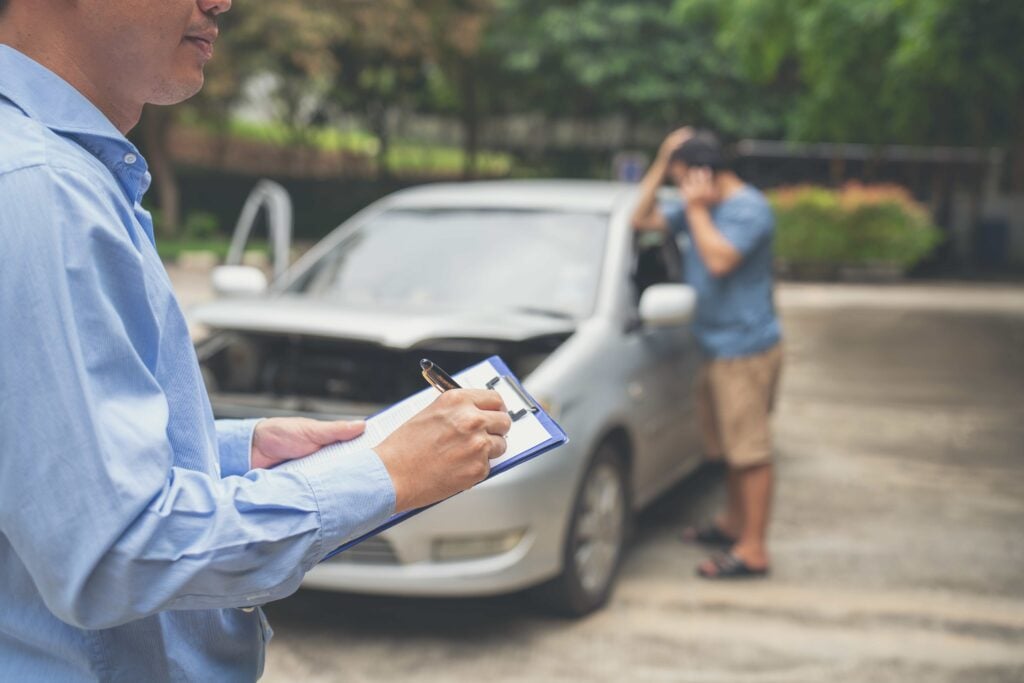
After a drunk driving accident in Sherman, most people assume the criminal case will take care of everything. It will not.
A DWI prosecution is the State of Texas holding the driver accountable to the public, and it does not pay your medical bills, replace your lost income, or compensate you for what you have been through.
That takes a separate civil claim, and the choices made in the first weeks can shape how strong it is. Here is how the two cases fit together, what evidence the DWI investigation creates, and why your claim should not sit on hold waiting for a verdict.
Key Takeaways about Sherman Drunk Driving Accidents
- A drunk driving crash in Texas can lead to both a criminal case against the driver and a separate civil injury claim by the person hurt.
- The civil claim uses a lower standard of proof and can succeed even if the criminal case does not end in a conviction.
- Evidence from the DWI investigation, such as test results and officer video, can support the civil claim.
- Texas’s two-year deadline for injury lawsuits does not pause for the criminal case.
- In some cases, a bar, an employer, or an adult who supplied alcohol to a minor can share responsibility.
What Are Your Legal Rights After a Drunk Driving Accident in Sherman?
If a drunk driver hurt you in Sherman, you have the right to bring a civil injury claim against that driver, whether or not the criminal case ends in a conviction. Your civil claim runs on its own timeline, and Texas’s two-year filing deadline keeps running while the criminal case moves through the Grayson County courts.
Is the Criminal Case the Same as Your Injury Claim?
No, the criminal DWI case and your injury claim are two separate proceedings with different goals, different rules, and different people in charge.
The Grayson County District Attorney’s Office or the county attorney decides whether to prosecute and what to charge. You decide whether to bring a civil claim, and you control it.
Under Texas Penal Code Section 49.04, a person commits DWI by driving while intoxicated, which Texas defines as lacking the normal use of mental or physical faculties because of alcohol or drugs, or having a blood alcohol concentration of 0.08 or more.
When a drunk driver causes serious bodily injury, prosecutors may charge intoxication assault, and when a crash causes a death, intoxication manslaughter. Both are felonies.
Why the Standards of Proof Matter
A criminal conviction requires proof beyond a reasonable doubt. A civil injury claim requires proof by a preponderance of the evidence, meaning it is more likely than not.
That difference is why a civil claim can succeed even when a criminal charge is reduced, dismissed, or ends in an acquittal.
Why Your Civil Claim Should Not Wait on the Criminal Case
Criminal cases in Grayson County can take many months to resolve, and some take longer. Meanwhile, the clock on your civil claim keeps running.
Texas Civil Practice and Remedies Code Section 16.003 generally requires personal injury lawsuits to be filed within two years of the crash and wrongful death lawsuits within two years of the death.
Waiting also hurts in quieter ways. Here is what can slip away while a criminal case works its way through the courthouse in downtown Sherman:
- Bar and restaurant receipts and security video, which businesses routinely overwrite
- Witnesses’ memories of how much the driver drank and how they were acting
- The vehicles themselves, which can be repaired, sold, or scrapped
- Your own chance to build a clear medical record from the start
Your civil claim can move forward alongside the criminal case. The two can support each other, but neither has to wait for the other.
What Evidence Does the DWI Investigation Create?
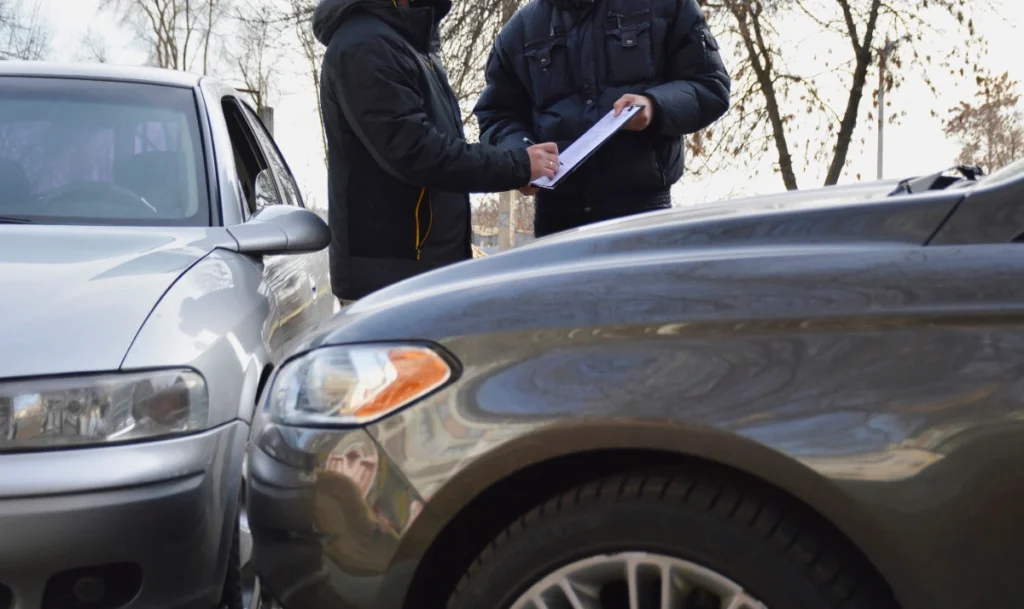
A DWI arrest creates a large record that can help prove your injury claim. The officers who responded, whether Sherman police, the Grayson County Sheriff’s Office, or state troopers on US-75, document far more than a typical crash investigation.
That record can include:
- Breath or blood test results showing the driver’s alcohol concentration
- Dashcam and body camera video of the stop, field sobriety tests, and the driver’s behavior
- The Texas Peace Officer’s Crash Report and the officer’s written narrative
- Statements the driver made at the scene
- Witness statements and photographs
- Any plea or conviction in the criminal case
Some of this is easy to request, and some takes formal steps, especially while the criminal case is still open. Knowing how to request it without interfering with the prosecution is part of what we do.
Can You Recover Punitive Damages From a Drunk Driver in Texas?
Yes, Texas law can allow exemplary damages, often called punitive damages, against a drunk driver when the evidence shows gross negligence.
The standard is high: under Civil Practice and Remedies Code Section 41.003, it must be proven by clear and convincing evidence, and the jury’s decision must be unanimous.
Texas normally caps exemplary damages. Section 41.008 removes that cap for certain felony conduct, including intoxication assault and intoxication manslaughter, which can make a real difference in the most serious Sherman drunk driving cases.
The Compensation Your Claim Can Cover
Beyond punitive damages, a civil claim seeks the full cost of the harm the driver caused. That can include medical care now and in the future, lost wages and earning capacity, physical pain and mental anguish, physical impairment, and property damage.
What you can recover depends on the facts of your case and the insurance available.
If You Were a Passenger or Pedestrian
Drunk-driving crashes hurt more than just other drivers. Passengers riding with the impaired driver, people walking home downtown, and cyclists on the shoulder of a two-lane road can all be hurt, and each has a claim of their own.
A passenger injured by the driver they were riding with can generally bring a claim against that driver’s liability insurance. Expect the insurer to argue the passenger knew the driver had been drinking and chose to get in the car anyway.
Under Texas’s proportionate responsibility rule, that argument can reduce a recovery but only bars it if the passenger is found more than 50 percent responsible, which is rare.
Pedestrians and cyclists hit by a drunk driver may also be able to turn to their own auto policy’s personal injury protection and uninsured motorist coverage.
When a Bar or Restaurant Shares Responsibility

Texas’s dram shop law, found in Alcoholic Beverage Code Section 2.02, can make a licensed business responsible when it served someone who was obviously intoxicated to the point of being a clear danger, and that intoxication caused the crash.
This matters most when the driver’s own insurance is too small to cover the harm.
Around Sherman, that question often comes up after crashes following nights out downtown or long days on Lake Texoma, when boaters and visitors head home on US-75, US-82, and FM 1417.
Proving a dram shop claim depends on receipts, video, and witnesses, which is one more reason to move quickly.
Adults Who Supply Alcohol to Minors
Texas generally does not hold social hosts responsible for serving adult guests.
The same statute makes an exception: an adult 21 or older who knowingly provides alcohol to a minor under 18, or knowingly allows a minor to be served on property they own or lease, can be liable for harm caused by the minor’s intoxication.
Parents serving their own children are excluded. That can matter after a crash involving a teenage driver coming home from a party.
When the Drunk Driver Was on the Job
Sometimes, a drunk driver was working at the time of the crash, driving a company truck, making deliveries, or heading between job sites.
In those cases, the employer may share responsibility for the driver’s conduct, and the employer’s commercial insurance is often much larger than a personal policy.
An employer can also be responsible for its own choices, such as hiring or retaining a driver with a known history of DWI arrests, or allowing employees to drink at a work event and then drive company vehicles.
Whether the driver was on the clock, what vehicle they were in, and where they were going all affect whether an employer claim is available. These are facts we look into early, because the answers can change how much insurance is on the table.
How Insurers Handle Drunk Driving Claims
Insurance companies are not on your side, even when their driver was arrested at the scene.
The driver’s insurer still wants to pay as little as possible and may argue that you were partly at fault, which would reduce your recovery under Texas’s proportionate responsibility rule.
Drunk drivers are also more likely than others to carry minimum coverage or none at all.
Texas requires only $30,000 per person for injuries, so we look early at every available source, including your own uninsured and underinsured motorist coverage and any business that overserved the driver.
FAQs about Drunk Driving Accidents in Sherman
These are questions Grayson County families often ask us after a drunk driving crash.
Can I sue a drunk driver in Texas if they were not convicted?
Yes, a Texas civil injury claim does not depend on a criminal conviction. The civil case has its own lower standard of proof, so it can move forward even if charges are reduced, dismissed, or end in acquittal.
What if the drunk driver who hit me had no insurance?
If the at-fault driver in a Texas crash had no insurance, your own uninsured motorist coverage may pay, as long as you did not reject that coverage in writing. A dram shop claim against a business that overserved the driver may be another source in some cases.
Will I have to testify in the criminal DWI case?
You may be asked to testify if the Texas criminal case goes to trial, since you witnessed the crash. Many DWI cases resolve through pleas, and prosecutors or victim services staff in Grayson County can tell you what to expect.
Does restitution in the criminal case pay for my injuries?
A Texas criminal court can order a convicted driver to pay restitution for certain losses, but restitution rarely covers the full cost of a serious injury. It does not replace a civil claim for pain, future care, or lost earning capacity.
Can Texas crime victims’ compensation help with my bills?
The Texas Crime Victims’ Compensation Program, run by the Office of the Attorney General, can help eligible victims of intoxication-related crashes with some expenses, such as medical costs and lost wages. It has its own eligibility rules and deadlines, and it generally pays after other sources like insurance.
Can a family sue after a drunk driver kills a loved one in Texas?
Yes, the surviving spouse, children, and parents of a person killed by a drunk driver can bring a wrongful death claim under Texas law. The estate may also bring a survival claim, and exemplary damages may be available when the death resulted from intoxication manslaughter.
Does it matter if the drunk driver was on drugs instead of alcohol?
Texas DWI law covers impairment from drugs as well as alcohol, and a civil claim can be built around either. Proving drug impairment often depends on blood test results and officer observations rather than a breath test.
Talk With Our Sherman Drunk Driving Accident Attorneys
The criminal case is about the driver. Your civil claim is about you. Tate Law Offices, PC’s Sherman office at 2902 N US Highway 75 is right on the corridor where many of these crashes happen, and our attorneys handle the evidence, the insurers, and the deadlines so you can focus on recovery.
Call (972) 499-4813 for a free case review. We are available 24/7, and there is no fee unless you collect. Every case depends on its facts, and we will give you a straight answer about yours.
